Categories
industry updates

TRILUX PR: Smart Building in Action: Simac HQ Integrates Lighting, Data and Control

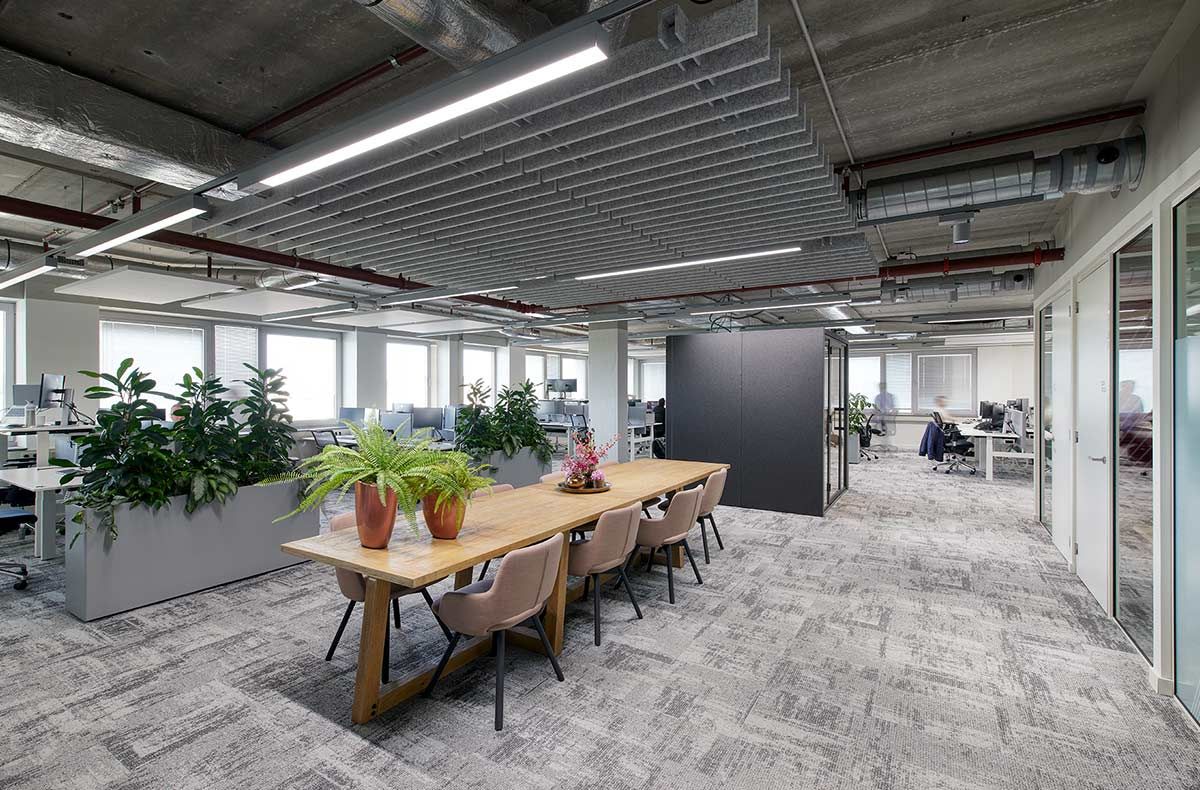
TRILUX has delivered a connected lighting solution for the new
Simac headquarters in Veldhoven, supporting the company’s ambition to create a smart,
flexible and future-ready workplace. Developed in collaboration with installer Kuijpers, the
project transforms the former TechniekHuys into a modern office environment where
lighting, data and building systems work together as part of a fully integrated smart
ecosystem.

“We wanted a building that shows what we are capable of,” says Bas van Tilborg, executive
board member of Simac’s parent company. “Light plays a key role in that.”

A showcase for smart building technology
Rather than constructing a new building, Simac opted to redevelop the existing TechniekHuys,
creating a sustainable workplace that reflects its own technological expertise. The headquarters
now acts as a live demonstration environment, incorporating a fully wireless smart building
management system.
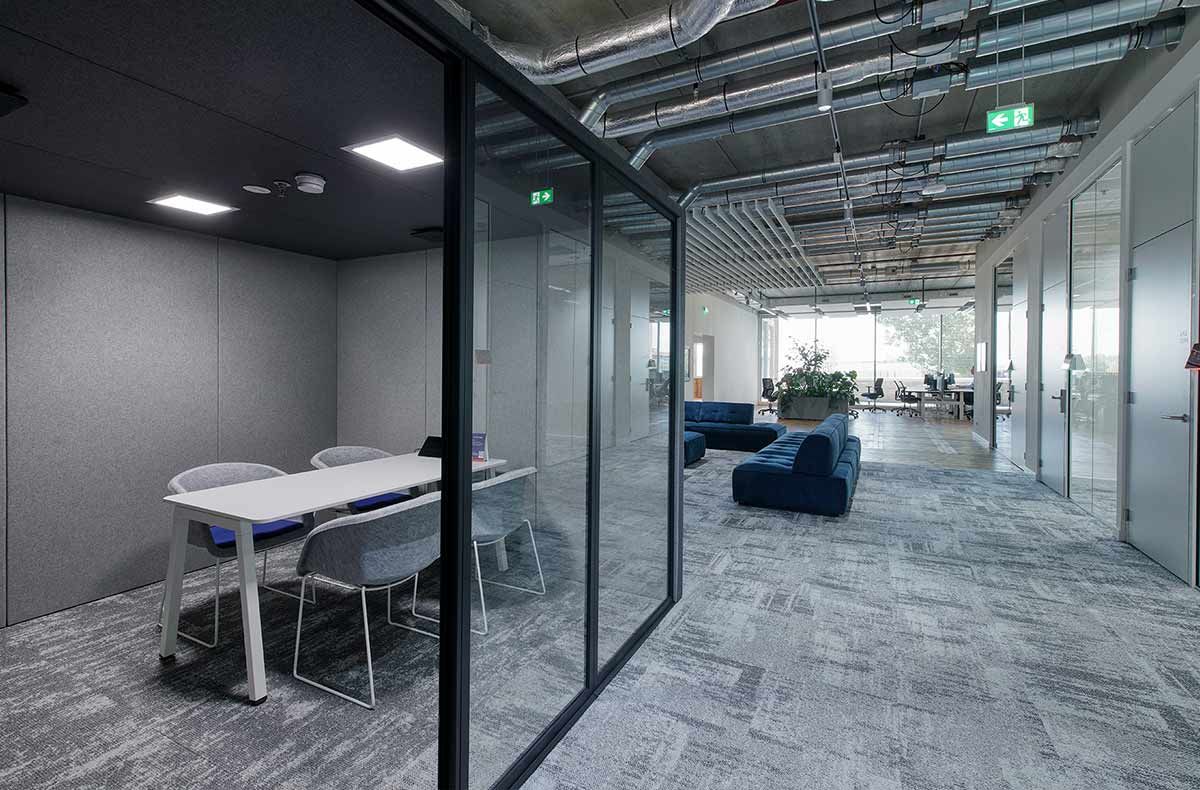
“Our new headquarters is a showcase. For our customers, but also for ourselves,” Van Tilborg
explains. “Everything we experience here, we use every day in the solutions we provide to our
customers.”
Lighting forms a visible part of this concept. Integrated with wireless control, TRILUX LED
luminaires contribute to a connected system that combines illumination, data and energy efficiency.
Fast-track delivery with a clear lighting strategy
The project was delivered within a tight programme, with just eight months between handover and
occupation.

“We had no more than eight months between receiving the keys and moving in,” says Van Tilborg.
“Then you have to act fast.”
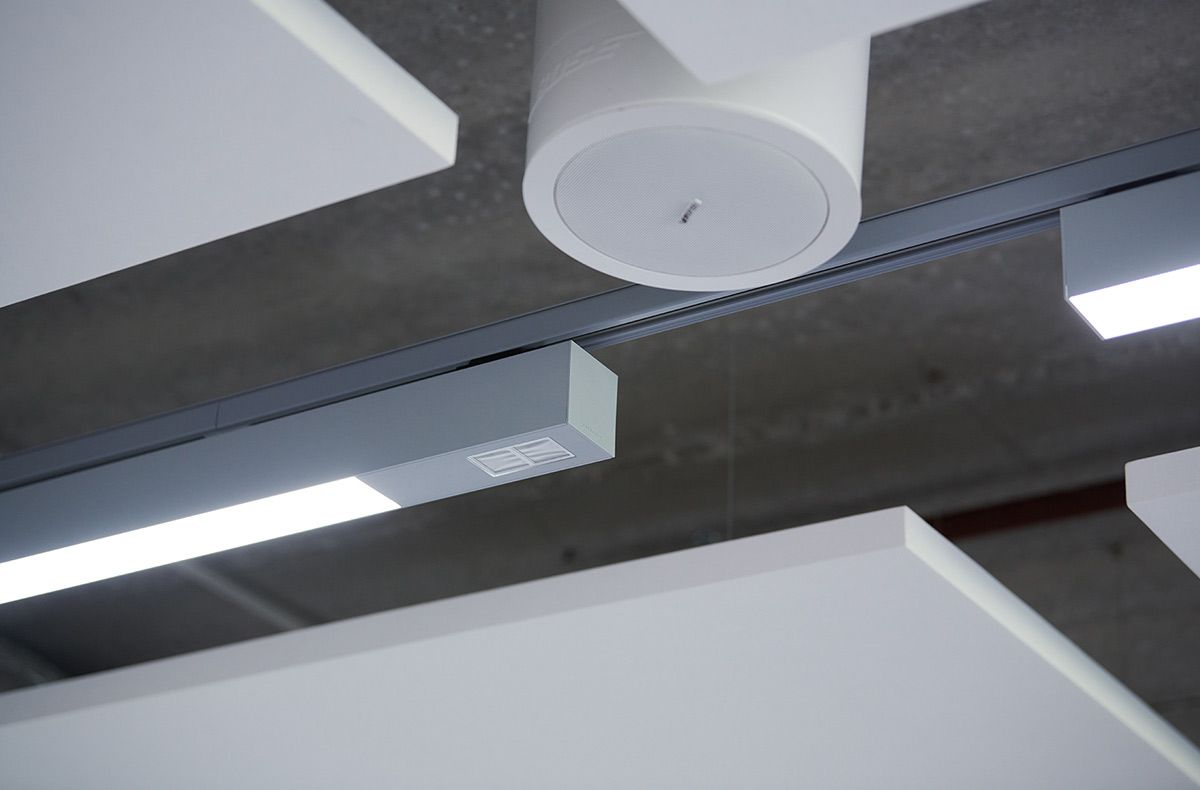
TRILUX developed a structured lighting concept using Finea pendant luminaires for office areas,
Sonnos downlights and a 3-phase track system with B.veo spotlights for feature spaces. The
scheme balances functional lighting with architectural integration across different areas of the
building.

A key element was the integration of wireless controls, enabling automatic adjustment based on
daylight and occupancy.
“Our sensors also measure humidity, light and noise levels, temperature and the number of people
in a room,” Van Tilborg explains. “We use that data not only to control the lighting, but also the
indoor climate.”
“For example, if only two people are in a meeting room, we don’t need to ventilate as if there were
ten. Thanks to the new system, this is controlled automatically. That saves energy and improves
comfort.”

Human Centric Lighting across all areas
User comfort was a central consideration throughout the project, with Human Centric Lighting
(HCL) implemented across workspaces as well as circulation areas.
“The comfort of our people comes first,” says Van Tilborg. “We have many different types of
spaces with varying levels of natural daylight. With HCL we can balance that, and it truly makes a
difference.”

In some areas, this required customised solutions. Secondary workspaces built from standalone
units were adapted to support HCL through collaboration between Simac and TRILUX.
“You could keep it simple, but we chose to develop a custom lighting solution together with
TRILUX. That caused a few months’ delay for those units, but now everything fits perfectly. I’m
very happy we made that choice.”

Data-driven flexibility for the future
Alongside the lighting upgrade, the building layout was reconfigured to support flexible working,
replacing fixed desks with shared, activity-based spaces.
Data collected through the lighting and sensor system provides ongoing insight into how spaces
are used, allowing continuous optimisation.

“We know exactly which rooms are used and when,” says Van Tilborg. “And that offers
opportunities. If a space is structurally unused, we can redesign it.” Because the system is fully
wireless, luminaires can be repositioned easily without structural changes. “Just regroup them and
it’s done.”

The same data can also be used to optimise building operations, including cleaning schedules and
room booking systems.

Collaborative delivery under tight timelines
Close coordination between all project partners was essential to meet the programme.
“The pace of our renovation was high, but we were able to align instantly,” says Van Tilborg.
“Thanks to the clear architectural drawings and TRILUX’s pragmatic approach, the lighting concept
turned out exactly as we envisioned.”

A phased installation approach, working from the top floor downwards, allowed the project to
progress efficiently. “TRILUX adapted seamlessly.”
A workplace designed to perform
The completed headquarters has been well received by employees and visitors alike, with lighting
designed to support both comfort and interaction.

“The light doesn’t stand out – exactly as intended,” Van Tilborg notes. “I work at the office more
than before. Not only because of the building itself, but because of the pleasant atmosphere and
interaction it creates. The lighting definitely plays a role in that.”
The building also serves as a demonstration space for clients, showcasing the potential of
integrated smart technologies.

“It’s great to see how impressed visitors are. They immediately get a clear picture of what we can
offer. And that’s what it's really about: inspiring people.”
Van Tilborg concludes: “Pay attention to the details. Trust me, they matter. More than you think. If
you have the chance to do something really well, then do it. We’re glad we made that choice.”
Categories
industry updates

Manufacturer Lights Up Hospice Relaxation Room

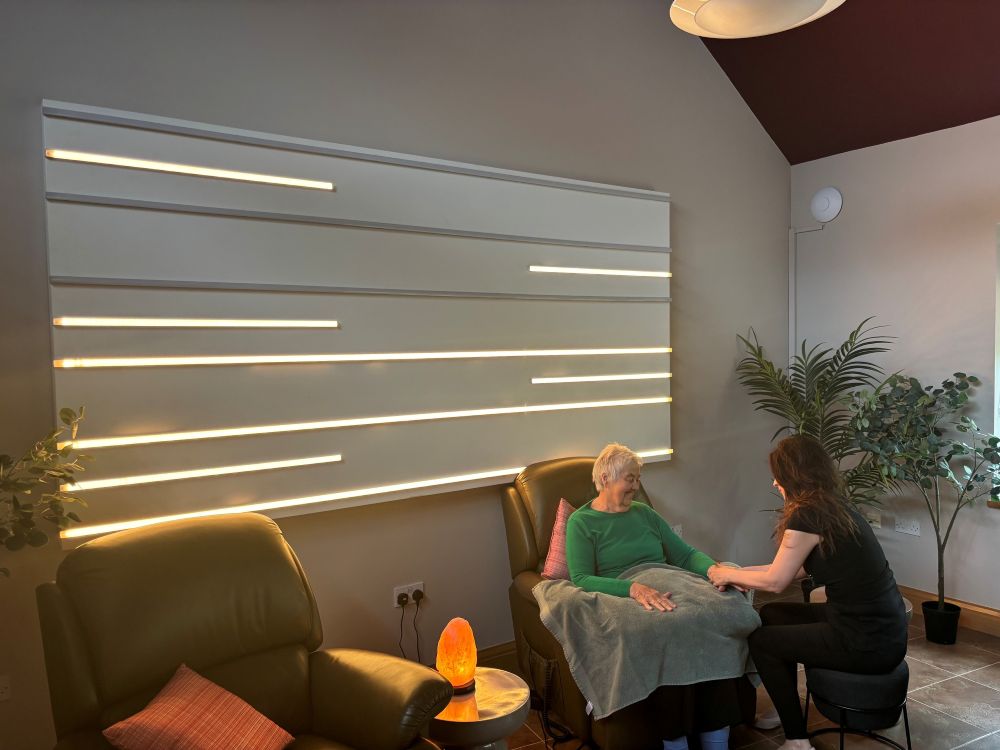
Leading lighting manufacturer Ansell Lighting has continued its support for St. Rocco’s Hospice in Warrington with the creation of a feature lighting wall for a new relaxation room.

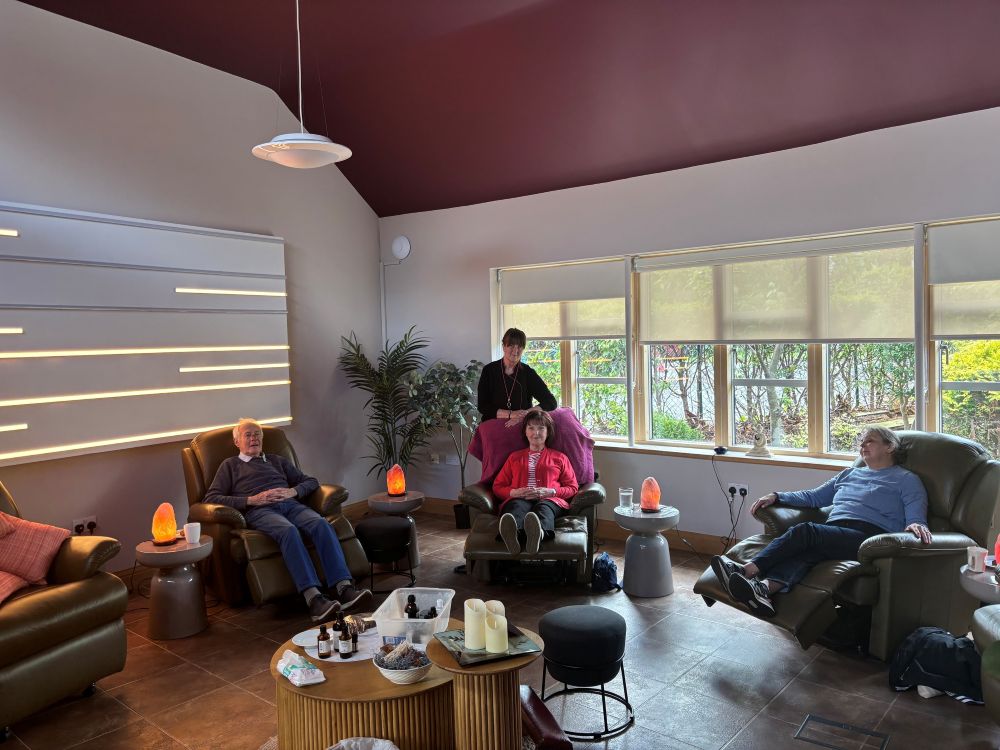
St. Rocco’s was Warrington-headquartered Ansell’s charity of the year in 2025, with the business raising more than £1,200. The lighting specialist offered to support with the new relaxation facility, which is now benefitting patients and loved ones who use St. Rocco’s.

Ansell created and installed the feature wall board using its LED Cell strip lighting range. The lighting has a remote control so colours and relaxing scenes can be adjusted according to the needs of the individual patients.

To create a tranquil and relaxing space the room also includes recliner chairs, salt lamps, throws, a music player and blackout blinds and is used for therapies including reflexology, hand and head massage, group therapy sessions and relaxation classes.

Gemma Sheerin, Marketing and Communications Manager at St Rocco’s, said: “The lighting feature wall has brought another dimension to our relaxation room. Using the lights we are able to provide a calm and soothing environment for our patients. The lights help to induce a feeling of relaxation for our patients as soon as they enter the room. During treatments, the lights are also a gentle distraction to help calm the mind as the therapy sooths the body.”

Sarah Ankers– HR Director, from Ansell Lighting, said: “I’m incredibly proud of the way our colleagues and the wider business have come together to support St. Rocco’s. The generosity, energy and commitment everyone has shown truly reflects who we are as an organisation. St. Rocco’s does truly incredible work, providing compassionate care and vital support to patients, and those important to them, during some of the most difficult moments of their lives. Being able to contribute to that mission is something we value deeply.

“One of the standout moments this year has been the beautiful lighting scheme our team designed, using our products to enhance the therapy room. This has helped create a warm, calming space that supports the wellbeing of those who use it, and it’s a wonderful example of how sharing our skills and creativity can make a meaningful difference.”

Categories
industry updates

Two Recolight executives recognised with honorary fellowships of the Society of Light and Lighting

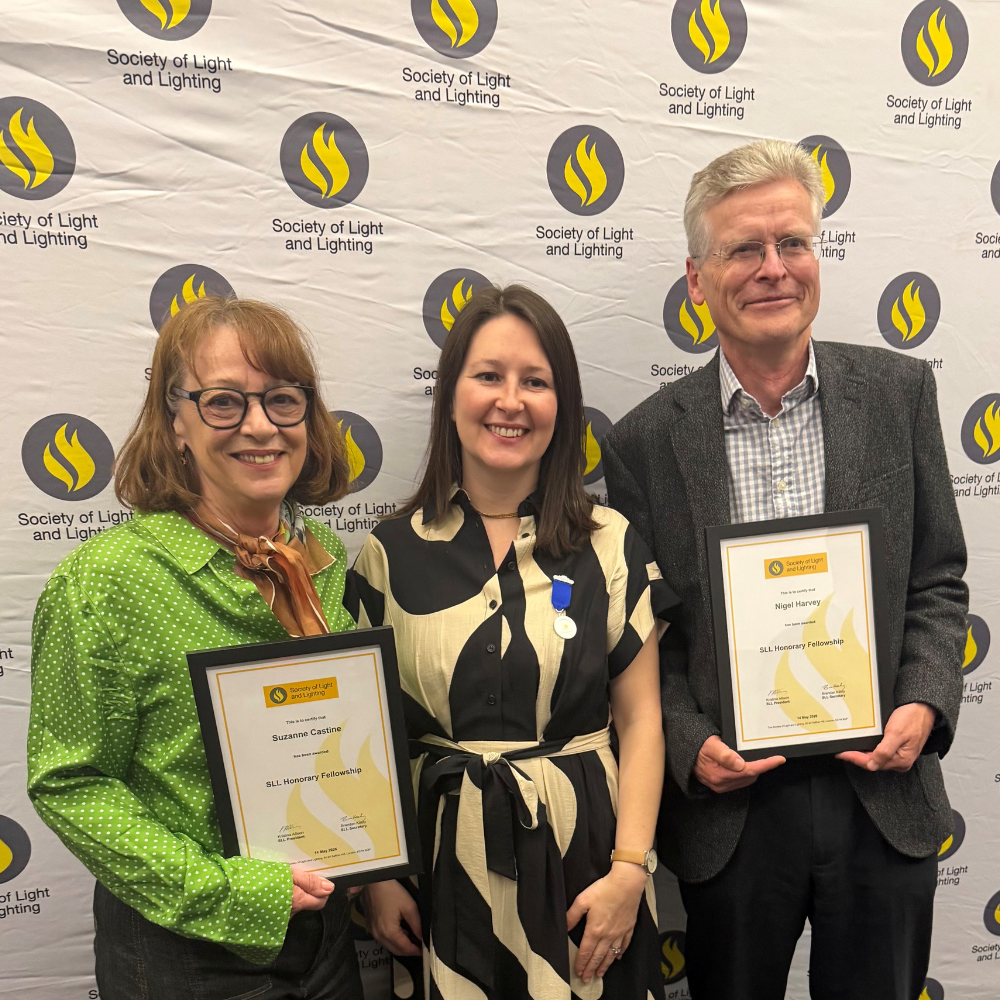
Recolight CEO Nigel Harvey and marketing and communications manager Suzanne Castine received SLL honorary fellowships at the AGM in CIBSE’s headquarters in London last week.

Commenting on the award, the outgoing Society of Light and Lighting president Kristina Allison said “The honorary fellowship recognises a significant contribution not only of services to the Society but to the wider lighting profession. It’s sanctioned by the Executive Committee of the SLL. The work that both do with Recolight has a positive impact on the industry and is
incredible.”

Usually, one award is given each year, but this year an exception was made. Previous recipients have
included Kevin McCloud in 2010, Jonathan Speirs in 2003, and Philip, The Duke of Edinburgh back in
1959.

F Mark Ltd founder Simon Fisher FSLL and Circular Lighting Report editor Ray Molony gave the
citations for Harvey and Castine respectively.

On accepting his award, Nigel Harvey said: “I’m absolutely delighted to receive the honorary
fellowship of the Society of Light and Lighting. The recognition of professional peers, colleagues and
friends is uniquely special. My sincere thanks to the SLL Executive Committee for the award. But I'm only the helmsman at Recolight. We've an amazing team, who all play vital roles and this award belongs to us all.”

And Suzanne Castine said: “Thank you to the SLL executive committee for recognising the work I do. Marketing is an overhead, so we’re constantly looking at ways to reduce cost.
And as a not-for-profit funded by our WEEE Scheme Lighting manufacturer Members, it’s
even more critical for me to be mindful of spend. Therefore, I keep our work in house and
don’t use agencies. We were recognised for going above and beyond and were in a room full
of lighting professionals who do that too. So many have helped Recolight along the way,
presenting at webinars and conferences, offering support, guidance and help.”
As a Sustaining Member of the SLL, Recolight are part of a network of businesses who collaborate to
give financial, technical and practical support to a wide range of Society initiatives.

Categories
industry updates

White Light Creates the Glow of 1890s Paris for CHAT NOIR!

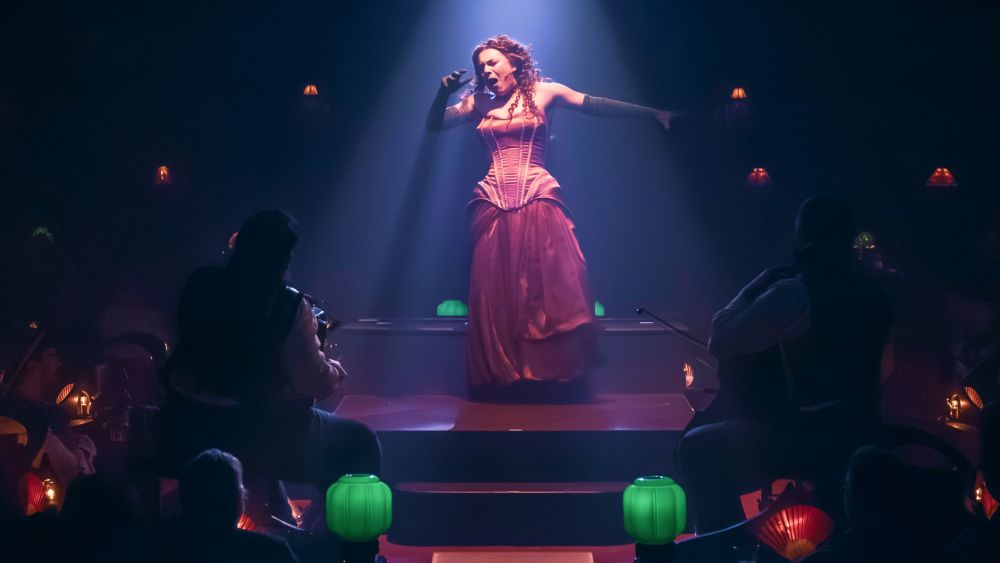
When it comes to creating unforgettable immersive experiences, The Lost Estate is at the forefront of transporting audiences into lost worlds of magical music and immersive dining. Past productions include Paradise Under the Stars, which took audiences to 1950s Cuba; 58th Street, immersing guests in 1930s New York; and The Great Christmas Feast, inviting audiences into the home of Charles Dickens on Christmas Eve, 1843.
Their brand‑new experience now transports audiences to 1890s Paris, inside the legendary night‑club Le Chat Noir, a lost world of glittering cabaret performance, bohemian pleasures, vintage cuisine and live music. To bring CHAT NOIR! to life, writer and director Will Kunhardt approached lighting designer Mike Gunning to shape the visual language of the show. Having worked with The Lost Estate for many years, White Light (WL) was once again proud to supply the lighting rig for this extraordinary production.

From the earliest conversations, lighting was treated not as spectacle, but as a vital storytelling tool. “When Will Kunhardt approached me with the premise of the show, it felt like something that could be clearly and visually expressed,” says Gunning. “There was a real opportunity to collaborate and create something unique.”
The creative vision was twofold: to root the audience firmly in the time and place of 19th‑century Paris, while also embracing the variety and energy of cabaret performance unfolding throughout the space. “I wanted the light to feel soft, almost like looking at an old photograph,” he explains, ensuring the environment felt authentic, intimate and lived‑in.

Immersive theatre presents a very different set of challenges from traditional venue‑based productions. CHAT NOIR! unfolds in a site‑specific environment where audiences are both observers and active participants, surrounded by performance on all sides.

“The audience fills the space, and the performers move through them,” says Gunning. “So, you have to be constantly aware of sightlines, proximity and comfort, while still delivering atmosphere and clarity.”
Low ceilings, limited rigging positions, and the need to light performers dynamically without blinding audiences demanded a flexible and responsive technical solution. Reliability was also critical for a show running repeatedly, night after night, in close proximity to its audience.

The lighting system combined low‑voltage LED and incandescent practicals, integrated throughout the set and controlled via encoders, to reinforce the period aesthetic. Fresnels and PCs provided soft, sculptural washes, while Ayrton Diablos introduced subtle movement and texture where required.
A key technical element was the use of zactrack, enabling performers to be followed seamlessly as they move through the multi‑arched space. Martin MAC Auras formed the backbone of this system, ensuring the lighting could breathe with the performance rather than feeling programmed or static.
“In collaboration with my programmer Tom Davis, zactrack was the biggest unknown,” Gunning notes. “Understanding how many anchors and trackers were needed in such a complex space was something I completely relied on my team’s expertise for.”

WL’s role went beyond supplying equipment. With a long‑standing relationship with The Lost Estate and an intimate knowledge of the venue, the team provided invaluable insight throughout the design process. “WL’s understanding of what works in that space helped me decide on the right tools to achieve the look I wanted,” says Gunning. “That knowledge made a real difference to the final outcome.”

The project was delivered in close collaboration with Show Works Ltd and the Lost Estate Head of Lighting Benjamin Vetluzhskikh, underscoring the collective effort behind the experience.
Eddy Hackett, Co-founder and Executive Producer of The Lost Estate, comments: “With CHAT NOIR!, we set out not simply to recreate a space, but to revive a moment in time, capturing the energy, the creative spirit and the sense of possibility that defined bohemian Paris. Every element, from performance to design, works together to dissolve the boundary between audience and story. Our collaboration with partners like WL has been instrumental in achieving that level of immersion. Working closely with Mike Gunning and Tom Davis, we’ve developed a truly collaborative process with a shared commitment to authenticity, particularly in shaping a lighting design that feels true to the period.”

WL’s Head of Lighting, Dominic Yates, comments: “As audiences continue to discover CHAT NOIR!, we are proud to have supplied the lighting rig for this fantastic production, which places storytelling and collaboration at its core. It was great working with Mike, Tom, Callum and Ben to build such a transportive experience.”
Opening to rave reviews, CHAT NOIR! continues to immerse audiences in a hedonistic night of bohemian Paris, where music, performance and atmosphere collide.
Photo courtesy of The Lost Estate.

LX Team Credits:
Lighting Designer: Mike Gunning
Lighting Programmer: Tom Davis
The Lost Estate Head of Lighting: Benjamin Vetluzhskikh
Show Works Project Manager: Callum Moore
Show Works Production LX: Rhys Barratt

Categories
industry updates

Pharos to showcase advanced integration and control capabilities at InfoComm

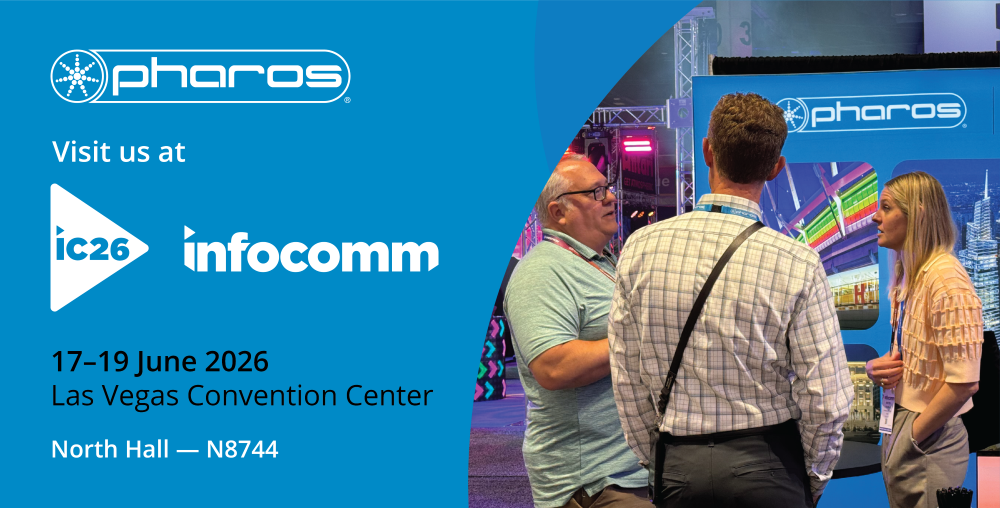
Pharos Architectural Controls will be exhibiting at InfoComm 2026 from the 17th to the 19th of June 2026 at the Las Vegas Convention Center, reinforcing their focus on integration-first lighting control solutions for the global market.

At this year’s show, Pharos will spotlight the evolving approach to system interoperability and cross-platform connectivity, demonstrating how control solutions are designed to sit at the heart of modern integrated environments. With a strong emphasis on flexibility, scalability, and ease of integration, Pharos continues to support projects that combine lighting, AV, and building technologies into unified experiences.

Visitors to the stand will have the opportunity to meet the US team, including Regional Sales and technical specialists Chad Kuney, Rhett North, and Katrina Maurer, with additional team members, including Bas Hoksbergen, expected to attend. The team will be on hand to discuss project requirements, integration strategies, and real-world applications across a wide range of sectors.

A key theme of the stand will be the extensive integration capabilities Pharos has with third-party systems and its “Friends of Pharos” initiative. Pharos controllers support a broad range of industry protocols, including DMX, Art-Net, sACN, KiNET, and DALI, alongside connectivity options such as TCP, UDP, OSC, MIDI, HTTP APIs, and MODBUS. IO Module plug-ins for Designer provide a wide selection of device and protocol extensions for system triggering. Demonstrations will highlight integration workflows with leading control and automation platforms, including Q-Sys, Lutron, Crestron, and Advatek, showcasing how Pharos enables seamless coordination across complex, multi-system environments.

Pharos will also showcase dynamic lighting control solutions, highlighting the latest capabilities within Designer and Express. Demonstrations will show how these technologies support a wide range of applications, from architectural installations and themed entertainment to sophisticated AV-driven environments. The focus remains very much on versatility, enabling designers and integrators to deliver responsive, integrated experiences at any scale.

Pharos will be exhibiting at booth N8744, where visitors can explore how technology is shaping the future of integrated lighting and AV control.

Chad Kuney, Regional Sales Manager for the Americas at Pharos, said, “InfoComm is always a key opportunity for us to connect directly with the Pro AV community and show how Pharos fits into real-world integrated systems. The conversation is no longer just about lighting control in isolation; it’s about how lighting becomes part of a wider, intelligent ecosystem. This year, we’re focusing on demonstrating just how seamlessly Pharos integrates with leading AV and control platforms, and how that flexibility opens up new possibilities for designers and integrators.”

Together, these developments underline Pharos’ commitment to delivering powerful, adaptable control solutions designed for the increasingly interconnected world of Pro AV integration.

Categories
industry updates

FROM FLUORESCENT TO LED: LEDVANCE HELPS YOU IN QUICK ENERGY SAVING WITH LED RETROFITTING

As the phase-out of fluorescent lighting continues to reshape the industry, LEDVANCE is highlighting smarter, more sustainable upgrade options that avoid the need for full luminaire replacement.
With fluorescent tubes no longer available, many organisations are facing the challenge of modernising ageing lighting installations quickly, cost-effectively and with minimal disruption. LEDVANCE is addressing this with refurbishment-focused solutions that allow existing luminaires to be upgraded rather than removed entirely.

Using its standard non-dimmable T8 and T5 LED tubes (for CCG or AC 230 V) or with the LEDTUBE External System, existing luminaires can be converted into modern, and even dimmable LED solutions while retaining the original fitting housing. This approach reduces waste, lowers embodied carbon and helps preserve the original look and feel of a space. The addition of DALI-2 controls in the External System also enables compatibility with intelligent lighting systems, including occupancy sensing and daylight harvesting, helping organisations reduce unnecessary energy consumption by ensuring light is only used when needed.

For many businesses, schools, healthcare facilities and public buildings, replacing entire lighting schemes can be both costly and disruptive. By upgrading components instead of replacing complete luminaires, projects can be delivered more flexibly and in phases, reducing upfront investment while still improving lighting performance and energy efficiency.

LEDVANCE’s refurbishment solutions are particularly suited to projects where replacing luminaires would be difficult or impractical. LEDTUBE External System is available for T5 and T8 lamps and also for DULUX LED L and Fluorescent T9round systems.

Nelo Neves, LEDVANCE, said: “Refurbishment is no longer just a stopgap; it’s a strategic approach to sustainability. Retaining existing infrastructure while upgrading performance allows organisations to significantly reduce waste and embodied carbon without compromising on lighting quality or adding intelligent lighting control.”

As organisations continue transitioning away from fluorescent lighting, LEDVANCE believes refurbishment will play an increasingly important role in delivering sustainable, future-ready lighting upgrades. By combining intelligent controls, lower energy consumption, longer product lifecycles and reduced material waste, refurbishment projects can provide a practical and cost-effective route to modern lighting without the disruption of full replacement.

Categories
industry updates

Dolphin Square Reimagined: Heritage, Architecture and Atmosphere in Light

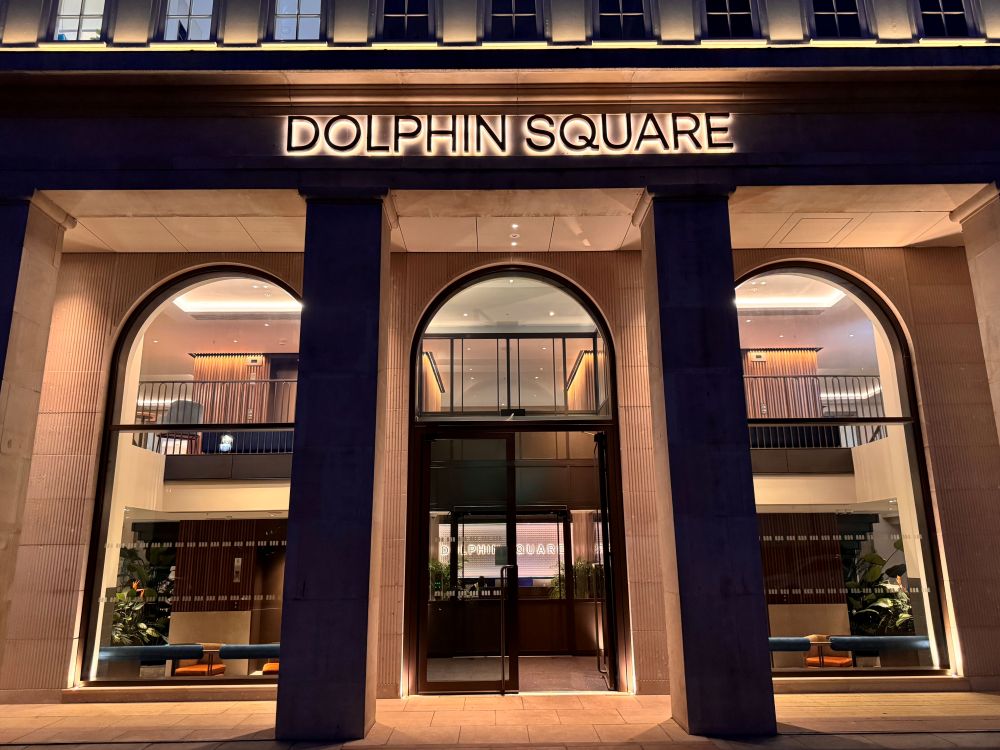
Built in the late 1930s in a distinctive neo-Georgian style, Dolphin Square is the UK’s largest privately owned apartment complex and a long-standing London icon. Recently, the building has undergone a major refurbishment by GRID Architects, bringing its historic character into dialogue with modern living, comfort, and amenity. The project transforms both the apartments and the communal spaces, creating environments that are bright and welcoming by day and dramatically atmospheric by night.

At the heart of this transformation is a striking double-height entrance lobby with a central reception atrium that flows into dining, meeting, and workspace areas. DesignPlusLight played a key role in reimagining the lighting throughout the building, carefully balancing heritage and contemporary design. By day, the atrium is bathed in natural light, but after dusk, the lighting guides the eye along the staircase to the reception area, and up to the softly illuminated skylights above, creating a captivating visual journey.

The North entrance was reconfigured by cutting through the first-floor slab to establish a more expansive double-height arrival and circulation area. Two staircases wrap around central lift cores clad in fluted timber panelling, highlighted by linear wall-graze lights that accentuate the warm tones of the oak. Lighting beneath the stairs provides the impression of floating structures while softly illuminating the planting below. Wall washers and floor uplights were strategically positioned to frame sightlines through the space, guiding visitors from the entrance to reception and onward into the building.

The refurbishment also reinstated the grandeur of the riverside entrance, which had been overshadowed following the arrival of Pimlico Underground Station in the 1970s. DesignPlusLight’s lighting enhances the façade with wall-washer downlights and floor uplights that accentuate the bronze arches.

New workspaces and a café terrace open onto the Grade II-listed Moroccan Garden, where DesignPlusLight introduced lighting that provides an ambient glow along with focused task lighting, complemented by subtle uplighting to bronze cladding that balances warmth and visual interest while connecting the interior to the landscaped surroundings.

Through this careful and considered lighting design, DesignPlusLight has aided Dolphin Square in revealing its heritage, enhancing its architecture, and creating memorable experiences. From dramatic arrival moments to intimate garden terraces, the lighting demonstrates how skilful design can transform atmosphere, support modern living, and honour the building’s 1930s character.

Sanjit Bahra, Principal of DesignPlusLight, said, “Rather than treating lighting as a series of isolated moments, the scheme was designed as a continuous journey, where the emphasis of light and shadow subtly shifts as people move through the building, creating a calm and richly layered experience.”

Credits

Client: Dolphin Square Operator Limited

Architect: GRID Architects

Interior Design: GRID Interiors

Contractor: Galliford Try

Lighting Design and Photography: DesignPlusLight

Lighting Manufacturers: RCL Lighting, Lucent, O/M Lighting, Phos, Architectural FX, Stoane Lighting, DGA

Lighting Controls: Zumtobel

Categories
industry updates

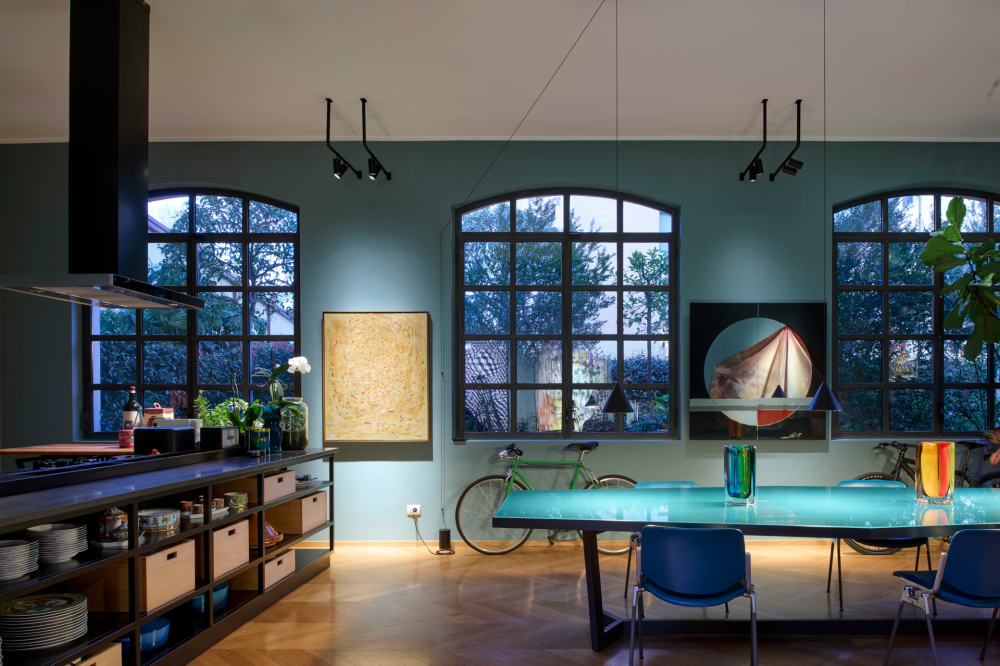
Flexible Lighting Solutions for ‘URBAN JUNGLE LOFT’ – A Residential Loft House, Milano, Italy

formalighting, in collaboration with Light Scene, proudly presents a striking residential loft in Milano, Italy – the eclectic URBAN JUNGLE LOFT home where lighting is conceived as both a functional necessity and a tool. The project reimagines a domestic environment as an art gallery, using layered illumination to establish visual hierarchy, enhance atmosphere, and celebrate the homeowner’s expansive art collection.

At the heart of the design is the idea of the home as a living gallery. In the open-plan space, lighting is used to provide both general brightness and subtle highlights. This means each piece of artwork can stand out, while the space still feels warm and comfortable to live in. The careful use of light and shadow adds depth and interest, without taking away from the ease of everyday living.

A key challenge of the project was integrating a new lighting scheme within an existing electrical infrastructure and highly decorative interior language. Light Scene navigated this complexity by working in harmony with pre-existing fixtures, adapting to spatial constraints, and ensuring that the lighting interventions complemented their surroundings. The result is a scheme that feels both intentional and seamless, enhancing the environment without overwhelming it.

formalighting’s solutions played a central role in achieving a balance between technical precision and artistic expression. Custom-designed luminaires were introduced to illuminate artworks with both accuracy and flexibility, including motorised fixtures that enable precise beam adjustment, even in spaces with significant ceiling heights. This adaptability ensures the system remains effective as areas are re-designed or artwork is repositioned over time. In key areas such as the kitchen, bespoke mounting arms were developed to resolve spatial constraints, transforming a technical requirement into a design feature that aligns with the home’s aesthetic identity.

Within URBAN JUNGLE LOFT, the lighting is designed to be seen and felt, shaping how the space is experienced. It picks out key details, adds depth through texture, and supports the balance between everyday living and a gallery-like setting.

Project Credits
Lighting Design: LightScene Studio
Lighting Solutions: formalighting
Photography: Leo Torri

Categories
industry updates

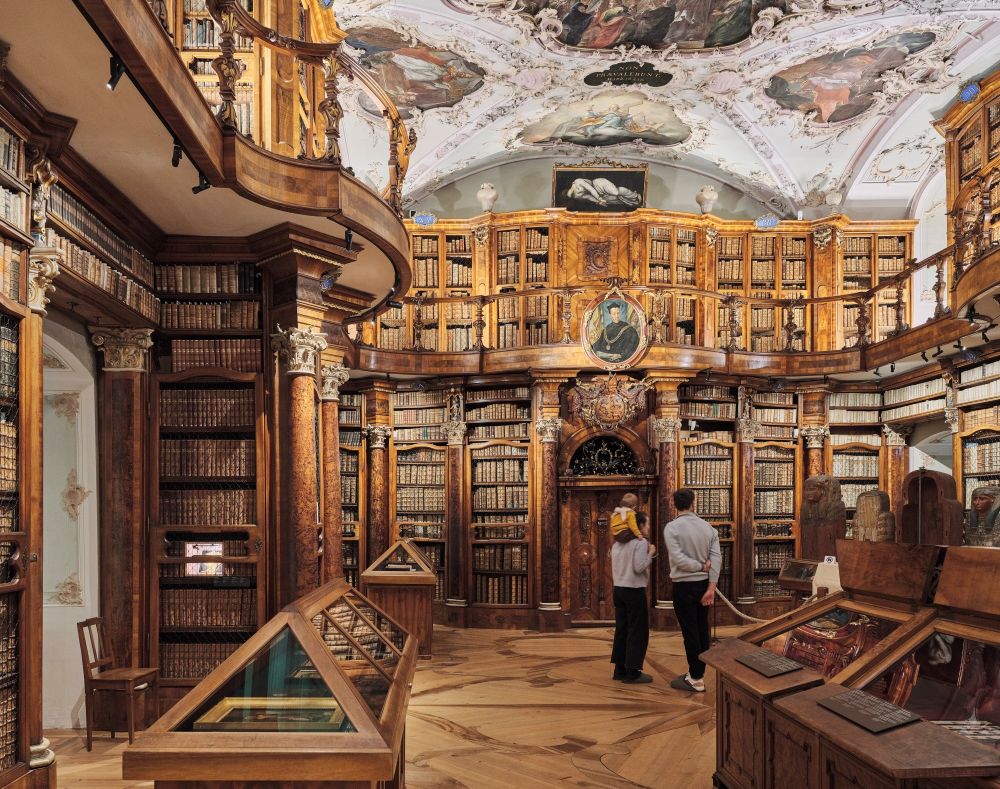
New lighting from ERCO for the Baroque Hall of the Abbey Library of St Gall

In one of the oldest and most important libraries in the world, ERCO
lighting solutions present valuable manuscripts in compliance with
heritage protection requirements.

The Abbey Library of St Gall preserves numerous key works of
European intellectual history. The heart of the collection is its
corpus of early medieval manuscripts dating from the 8th to the
11th centuries, most of which were created on site. Added to the
UNESCO World Heritage List in 1983, the Abbey Library is now
one of Switzerland’s leading museums and attracts almost
200,000 visitors each year. In the Baroque Hall, ERCO LED
spotlights mounted on custom-made track illuminate both the
valuable book collection and temporary exhibitions.

The Baroque Hall of the Abbey Library was built between 1758 and
1767. It is considered the finest non-ecclesiastical Baroque interior in
Switzerland and one of the most perfectly conceived library buildings in
the world. The hall takes the form of a five-bay wall-pillar hall. A gallery
runs around the room at mid-height. Along its length, bookcases and
window niches alternate in a wave-like rhythm. The pillars project into
the hall and are reinforced at the corners with decorative Corinthian
columns. Between them and the flat pilasters, the books are housed
in barred bookcases. The historic floor is especially worthy of
protection, which is why the hall may only be entered wearing felt
slippers.

The challenge: Making the entire room visible without direct
light falling on the centre of the hall

The Baroque Hall is crowned by a magnificent ceiling decorated with
elaborate stucco work and vaulted paintings, making it the brightest
surface in the room. The ceiling is both a visual focal point and a
reflector that brightens the centre of the space. Because particularly
light-sensitive exhibits are displayed in showcases in this central
area, it must not be directly illuminated for conservation reasons. "We
developed lighting that, so to speak, ‘clings’ to the walls and ceiling
without directly illuminating the centre of the room”, says lighting
designer Andreas Gut, who was responsible for the library’s new
lighting concept. "The heritage authorities also required uniform
lighting for the Baroque Hall using luminaires that were as unobtrusive
as possible.”

Andreas Gut achieves this by using numerous individual spotlights to
accentuate the historic furnishings and bookshelves, creating a
uniform overall impression. In close consultation with the heritage
authorities, he opted for the smallest available ERCO LED spotlight
family, which offers a range of light distributions within a consistent
design language. Black Eclipse 48V spotlights in size XS illuminate the
bookshelves and the valuable documents they contain throughout in
warm white 3000K light. The spotlights are mounted on a specially
manufactured curved Minirail 48V track along the underside of the
gallery. With the “ERCO individual” service, tailor-made solutions can
be developed to meet special project requirements.

ERCO Eclipse with interchangeable optics:

One spotlight family for maximum flexibility
"The spotlight system with interchangeable Spherolit lenses offers a
high degree of flexibility, especially for the changing temporary
exhibitions in the hall,” says the lighting designer, explaining the
decision to use ERCO products. “It was important that people
perceive the light, not the luminaires.” The slender black Minirail 48V
track disappears discreetly behind the surrounding wooden trim at
the lower edge of the gallery and adapts perfectly to the curves of
the Baroque architecture.

“Only in the very tight radii did we have to interrupt the track and
continue the power supply discreetly with cables”, says Andreas
Gut
. On the gallery, Eclipse spotlights were recessed into the
wooden floor using Minirail point outlets and protected from foot
traffic with metal housings. The floor is not as old and thus not a
heritage element.
Because the overall lighting level in the room is relatively low, the small
spotlights were sufficient. “For conservation reasons, 50 lux was
specified as the maximum limit for manuscripts and sensitive exhibits”,
explains Silvio Frigg, Head of Conservation and Security at the Abbey
Library, who supervised the project on site. All of the lighting –
consisting of Eclipse spotlights on track around the gallery, a few
existing spotlights on the railing, and linear luminaires for the ceiling –
can be adapted to different usage scenarios via Casambi Bluetooth
control.

“We can choose between preconfigured settings for general museum
operation, for events such as concerts or readings, or even for guided
tours on specific themes”, says Silvio Frigg. And although there is now
more light in the room overall than before the new lighting was
installed, energy consumption has remained roughly the same –
underlining the energy efficiency of ERCO lighting solutions.

Project data

Project:
Abbey Library of St Gall, Switzerland

Lighting design:
Andreas Gut, St Gall, Switzerland

Control:
Studio Tschümperlin, Alpthal, Switzerland

Products:
Eclipse 48V spotlights, Minirail 48V track and singlets

Categories
industry updates

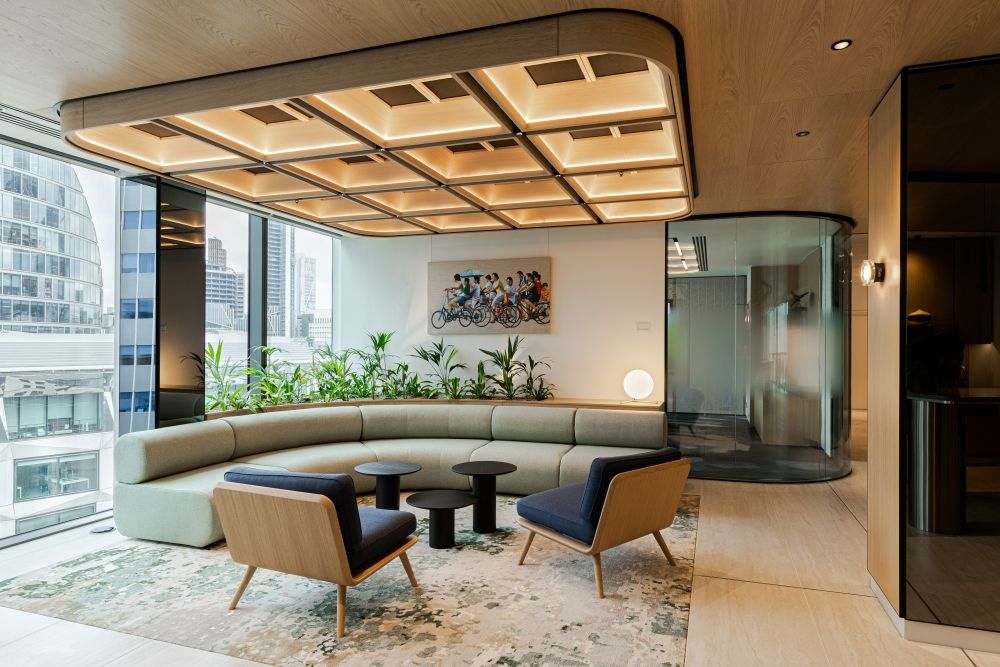
Equation Lighting brings clarity, connection and character to the refurbishment of 1 Basinghall Avenue

As part of the major refurbishment of 1 Basinghall Avenue, Equation Lighting has designed a lighting scheme that helps redefine how global bank Standard Chartered’s London headquarters is experienced, transforming key client and workplace areas into a series of connected, people-focused environments that support collaboration, wellbeing and flexibility.

The project forms part of a long-term strategy to support the organisation’s evolving ways of working. The refurbishment, therefore, focused on creating a wider variety of work settings and destination spaces that better support collaboration, interaction and wellbeing, benefitting clients and colleagues.

Delivered in phases while the building remained operational, dedicated client and employee destination floors, along with new hospitality and wellbeing spaces, were introduced.

Equation Lighting’s design scope included the Level 10 client floor meeting suite and hospitality areas, the Level 9 staff floor incorporating a café, wellbeing zone, multifunction rooms and roof terrace, the central atrium including café areas, and the arrival experience and client lounge within the Ground floor reception.

The lighting design was developed to support the different functional and emotional requirements of all user groups, from high-performance task lighting in workplace and meeting environments to softer, more atmospheric lighting in hospitality, wellbeing and client-facing spaces.

Dhara Mansata, Project Designer at Equation Lighting, said, “From the outset, the lighting strategy was driven by how people would use the space rather than applying a single workplace lighting approach across the building. Each area has its own character and purpose, from the client suite and arrival spaces to the staff café, wellbeing areas and the central atrium, and the lighting helps define these environments while maintaining a cohesive visual language throughout. The aim was to create a scheme that not only performs technically but also enhances the overall workplace experience, supporting collaboration, comfort and flexibility.”

The refurbishment creates a workplace that is aligned with contemporary patterns of use and expectations. Through a carefully considered lighting strategy, the scheme enhances the quality, flexibility and longevity of the workplace, supporting both client engagement and employee experience.

Project Credits

Client: Standard Chartered Bank

Architects: M Moser Associates

Project Manager: Gleeds

Fit out Contractor: Overbury

MEP: Loop Engineering

Photography: Chris Wharton